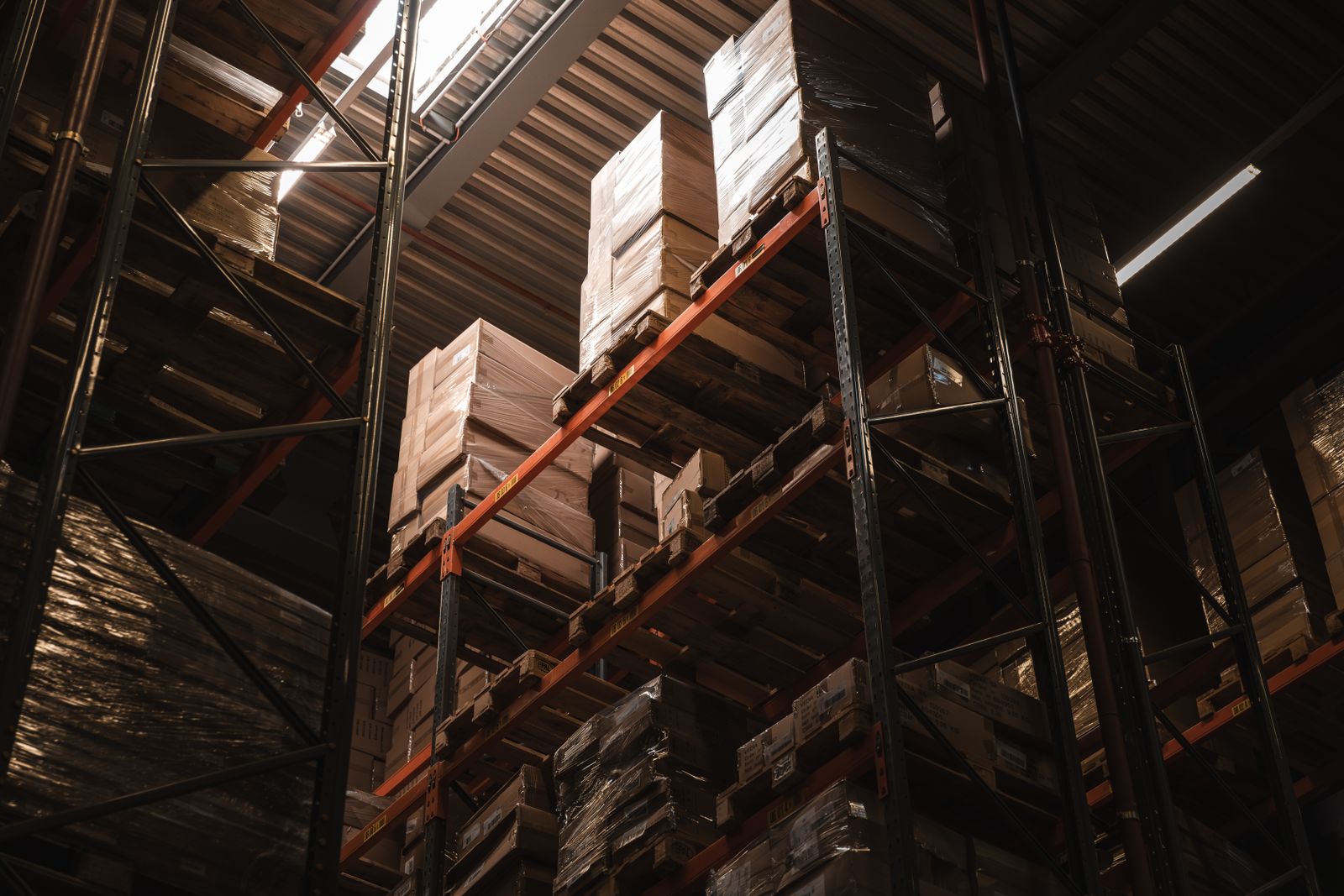
Scaling Warehousing for Multi-Brand, High-SKU FMCG Operations
Warehousing that works for one brand and a few dozen SKUs can fall apart under the weight of many brands and thousands of SKUs. As FMCG operations grow, storage either scales gracefully or becomes a bottleneck that drags on availability and accuracy. This guide looks at what it takes to scale warehousing for multi-brand, high-SKU operations without losing control of the detail.
It extends our overview of good FMCG warehousing and pairs with inventory control and batch tracking.
The scaling challenge
Growth multiplies complexity. More brands mean more relationships, requirements, and reporting. More SKUs mean more locations to manage, more expiry dates to track, and more ways for stock to go astray. The processes that felt effortless at small scale start to strain — and small inaccuracies compound into real problems.
The goal of scalable warehousing is to absorb this growth while keeping accuracy, freshness, and reliability intact.
What multi-brand, high-SKU operations demand
Space that grows with you
Capacity has to stay ahead of demand. Storage that's already near full leaves no room for new brands or seasonal peaks — a classic growth bottleneck.
Clear segregation
With many brands sharing a facility, stock must be organised so each brand's products are clearly separated, findable, and never mixed up. Segregation protects accuracy and accountability.
Systems that scale
Manual tracking breaks down at high SKU counts. Scalable operations rely on solid inventory control and batch tracking so visibility holds up as volume grows.
Repeatable processes
Receiving, putaway, picking, rotation, and dispatch need to run as consistent, repeatable processes — not heroics. Process discipline is what keeps quality stable as throughput rises.
How to scale without losing control
- Keep visibility tight. Accurate, batch-level inventory is the foundation; never let it slip as you grow.
- Maintain rotation discipline. Stock rotation must hold up across more SKUs and brands, not just the easy ones.
- Standardise processes. Documented, consistent workflows scale; ad-hoc methods don't.
- Plan capacity ahead. Add space and resource before you hit the ceiling, not after.
- Segregate clearly. Make every brand's stock easy to locate and account for.
Signs you've outgrown your storage
- Stock counts increasingly don't match reality.
- It takes longer to find or pick specific products.
- Near-expiry stock is slipping through.
- You're turning away brands or SKUs because there's no room.
- Errors and mix-ups between brands are creeping up.
If these sound familiar, your warehousing is becoming a constraint on growth rather than an enabler.
Plan capacity ahead of demand, not behind it
One of the most common scaling mistakes is reacting too late. By the time a warehouse is visibly full, the problems have already started — slower picking, mix-ups, no room for new lines. Capacity planning means staying ahead of demand: forecasting growth, seasonal peaks, and new brand onboarding, and adding space, systems, and people before they become the constraint. Running an operation at the edge of its capacity leaves no slack for the unexpected, and in FMCG the unexpected — a demand spike, a large new listing — is routine.
Build it yourself, or tap existing capacity?
Scaling warehousing well is genuinely hard, which shapes a strategic choice: build and continuously expand your own operation, or tap a partner whose infrastructure is already built for scale. Building yourself means ongoing investment in space, systems, and people, plus the management attention to keep accuracy intact as you grow. Tapping a multi-brand distributor lets you plug into capacity, inventory systems, and process discipline that already handle scale — converting a heavy fixed investment into a flexible, shared one. For most growing brands, the second route reaches scale faster and with less risk.
Why this favours a built-to-scale partner
This is one reason many brands choose a multi-brand distributor: a partner whose infrastructure is designed for multiple brands and high SKU counts has already solved the scaling problem. You plug into capacity, systems, and process discipline instead of rebuilding them as you grow. Distribution Link's warehousing and operations service is built precisely for multi-brand, high-SKU scale.
Frequently asked questions
How do I know I've outgrown my warehousing? Warning signs include stock counts that increasingly don't match reality, slower picking, near-expiry stock slipping through, mix-ups between brands, and simply running out of room for new lines.
Should I build my own warehousing or use a partner as I scale? Building means ongoing investment in space, systems, and people. Tapping a multi-brand distributor whose infrastructure already handles scale converts that fixed investment into a flexible, shared one — usually faster and lower-risk for growing brands.
How do I keep accuracy as SKU counts grow? Through scalable systems and repeatable processes — solid inventory control and batch tracking plus consistent workflows that don't depend on heroics.
Key takeaways
- Growth multiplies warehousing complexity — storage either scales or becomes a bottleneck.
- Multi-brand, high-SKU operations need space, clear segregation, scalable systems, and repeatable processes.
- Tight inventory visibility and rotation discipline must hold up as volume grows.
- A built-to-scale partner lets you tap proven capacity and systems rather than rebuilding them.
Outgrowing your storage? Talk to our team about warehousing built to scale.
Need help with logistics & supply chain in Saudi Arabia?
Distribution Link handles it end to end — talk to our team.
Related Articles
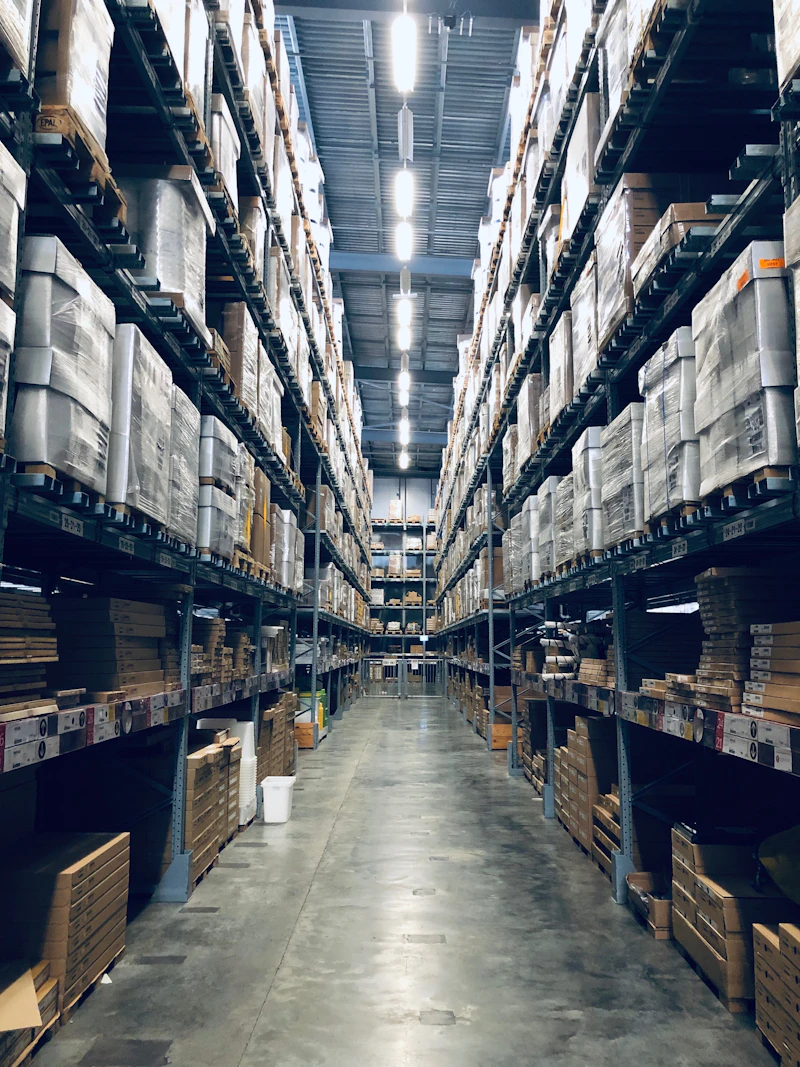
FMCG Warehousing in Saudi Arabia: What "Good" Actually Looks Like
What good FMCG warehousing looks like in Saudi Arabia — temperature control, inventory visibility, batch tracking, stock rotation, and scalability for food brands.
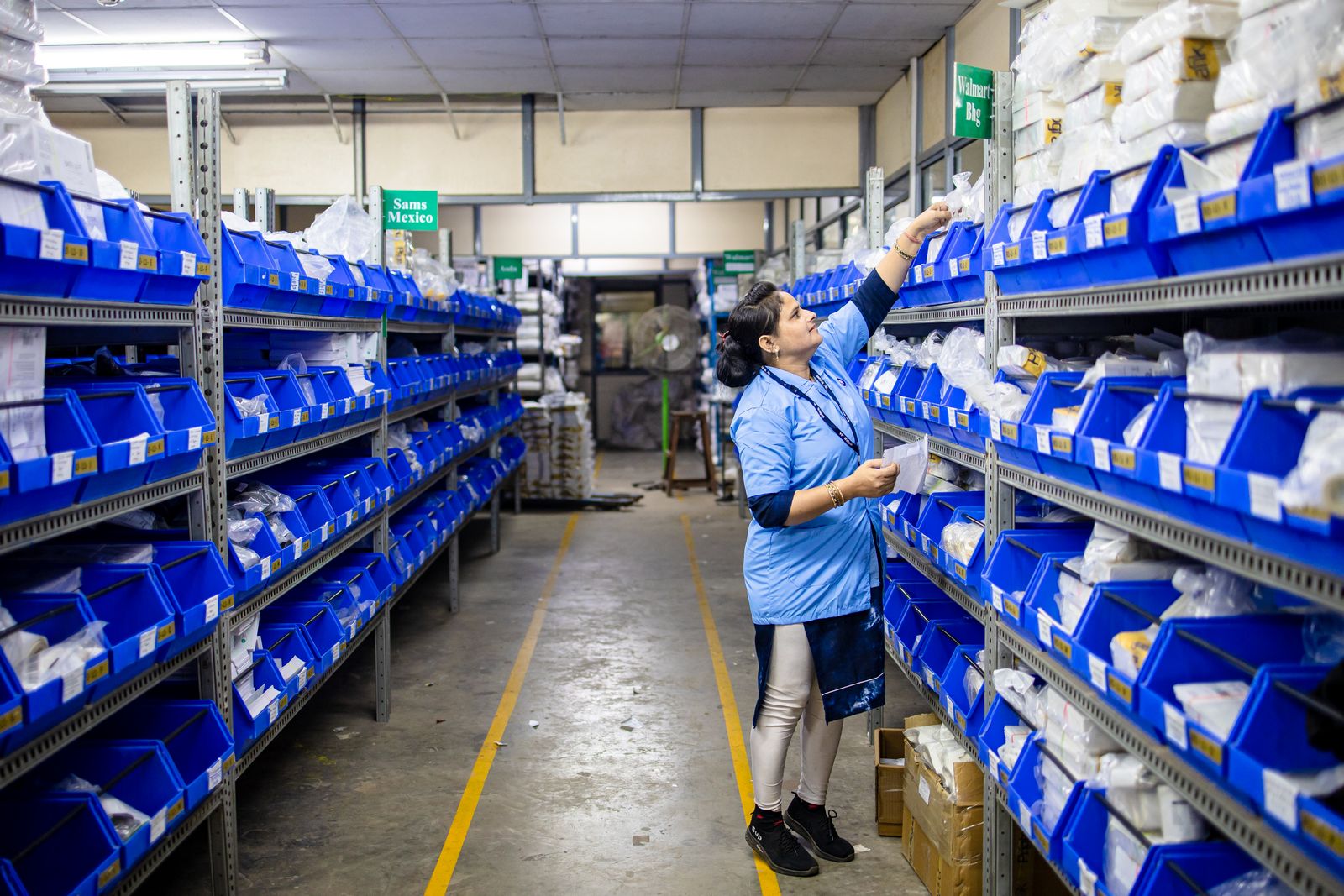
Inventory Control & Batch Tracking: Cutting Waste in FMCG Warehousing
How inventory control and batch tracking reduce waste and protect FMCG products — accurate stock visibility, traceability, expiry management, and recall readiness.

Single-Brand vs Multi-Brand Distributors: Which Fits Your FMCG Launch?
Single-brand vs multi-brand FMCG distributors compared — focus, cost, scale, and conflict of interest — to help you choose the right model for your Saudi launch.