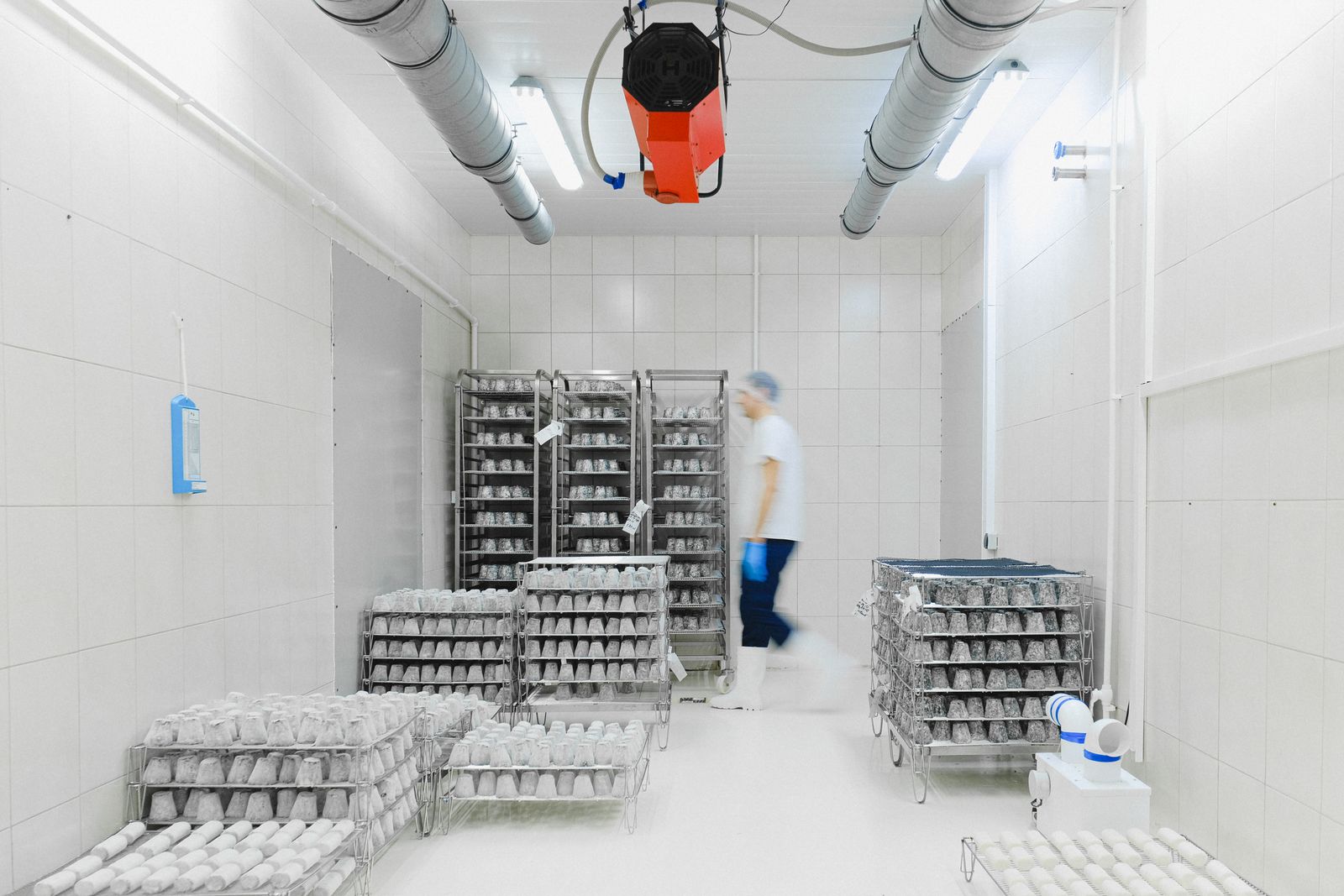
Cold Chain & Temperature-Controlled Storage for Food Products in KSA
For many food and FMCG products, temperature is not a detail — it's the difference between sellable stock and waste. In Saudi Arabia's climate, where outside temperatures can be extreme, temperature-controlled storage and a reliable cold chain are essential for protecting product quality from arrival to dispatch.
This guide explains what cold chain means, why it matters so much in the Kingdom, and what good temperature-controlled storage looks like. It's part of our wider view on what good FMCG warehousing looks like.
What "cold chain" actually means
The cold chain is the unbroken sequence of temperature-controlled storage and handling that keeps a product within its required temperature range — from the moment it arrives, through storage, to the point it's dispatched. A "break" in that chain, even briefly, can compromise quality, safety, and shelf life.
Cold chain isn't only about freezing. It spans a range of conditions depending on the product.
Why it matters especially in Saudi Arabia
Saudi Arabia's high ambient temperatures put extra pressure on temperature-sensitive products. Goods that would tolerate a brief exposure in a temperate climate can degrade quickly here. That makes temperature-appropriate storage — and disciplined handling — particularly important for imported food and snack brands.
Temperature zones
Different products need different conditions. Broadly:
- Ambient — shelf-stable products stored at controlled room temperature, protected from heat.
- Chilled — products that need refrigeration to stay fresh.
- Frozen — products that must remain frozen throughout storage and handling.
Matching each product to the right zone — and keeping it there — is the foundation of cold-chain integrity.
Maintaining the chain
Good temperature-controlled storage depends on more than a cold room:
- Appropriate facilities for each temperature zone.
- Careful handling that minimises time outside the right conditions during receiving and dispatch.
- Monitoring so temperatures are maintained and deviations are caught quickly.
- Discipline — consistent processes, every shipment, not just when it's convenient.
These conditions work hand in hand with disciplined stock rotation and accurate inventory control: keeping product in the right conditions and moving it in the right order.
The cost of a broken cold chain
When the chain breaks, the consequences are real:
- Reduced shelf life and early spoilage.
- Quality and safety risks.
- Waste and written-off stock.
- Damage to your brand if compromised product reaches shelves.
Because these costs land before a product even sells, protecting the cold chain protects the investment you've already made in importing and registering your goods.
Cold chain is a chain — the weakest link wins
The word "chain" is doing real work here. A product can be stored perfectly for weeks and still be compromised by a short lapse during receiving, picking, or dispatch. Temperature excursions are cumulative and often invisible — you can't always see that quality has been affected until it's too late. That's why consistency matters more than any single impressive freezer: the chain is only as strong as its weakest moment. Good operators design their receiving and dispatch processes specifically to minimise the time products spend outside their required conditions.
It doesn't stop at the warehouse door
Cold-chain thinking has to extend into delivery, not just storage. Getting temperature-sensitive products from the warehouse to a store or HORECA venue without breaking the chain requires the right handling on the way out and in transit. This is one reason temperature-sensitive products and the choice of delivery model are linked: how and how quickly you deliver affects whether the chain holds all the way to the point of sale. A partner who manages both storage and distribution can protect the chain end to end, rather than handing off responsibility midway.
What to look for in a storage partner
- Facilities suited to your product's temperature requirements.
- A clear approach to handling that limits temperature exposure.
- Monitoring and a process for responding to deviations.
- Consistency you can rely on across every shipment.
This is exactly what Distribution Link's warehousing and operations service is built to provide for food, snack, and FMCG products.
Frequently asked questions
Is cold chain only about frozen products? No. Cold chain spans ambient (controlled room temperature), chilled, and frozen conditions. The point is keeping each product within its required range — which for some products simply means protection from heat, not freezing.
What happens if the cold chain breaks for a short time? Temperature excursions are cumulative and can compromise quality, safety, and shelf life — sometimes without any visible sign. That's why consistency and minimising time outside the right conditions matter so much.
Does cold chain end once products are in storage? No — it has to extend through dispatch and delivery. Getting temperature-sensitive products to a store or HORECA venue without breaking the chain is part of the job, which links cold chain to your choice of delivery model.
Key takeaways
- The cold chain is the unbroken temperature-controlled journey from arrival to dispatch.
- Saudi Arabia's climate makes temperature-controlled storage especially important.
- Products fall into ambient, chilled, or frozen zones — each must be matched and maintained.
- A broken cold chain causes spoilage, waste, and brand risk — all avoidable with disciplined storage.
Need temperature-appropriate storage for your products? Discuss your storage needs with our team.
Need help with warehousing & cold chain in Saudi Arabia?
Distribution Link handles it end to end — talk to our team.
Related Articles
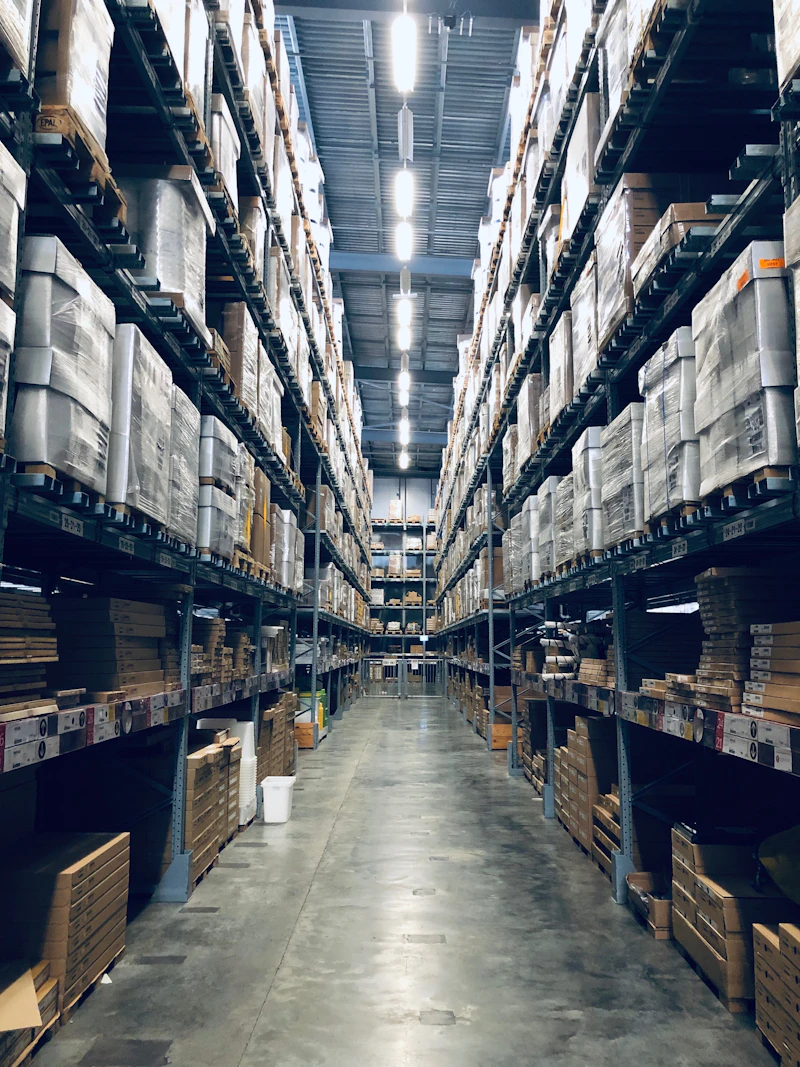
FMCG Warehousing in Saudi Arabia: What "Good" Actually Looks Like
What good FMCG warehousing looks like in Saudi Arabia — temperature control, inventory visibility, batch tracking, stock rotation, and scalability for food brands.
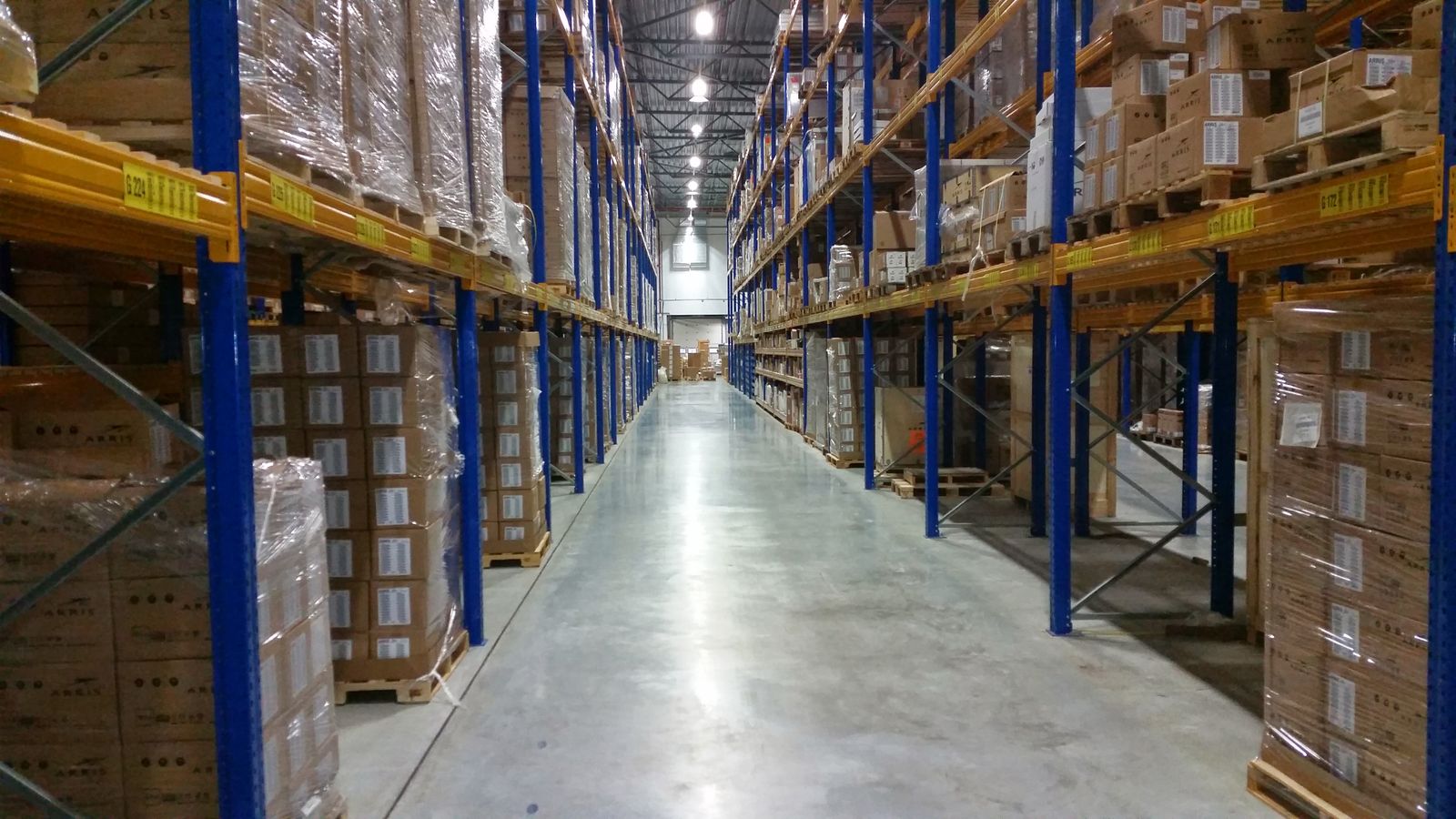
Stock Rotation Explained: FIFO, FEFO and Why It Matters for Food & Snacks
Stock rotation explained for FMCG — what FIFO and FEFO mean, why FEFO matters for food and snacks, and how good rotation cuts waste and protects freshness.
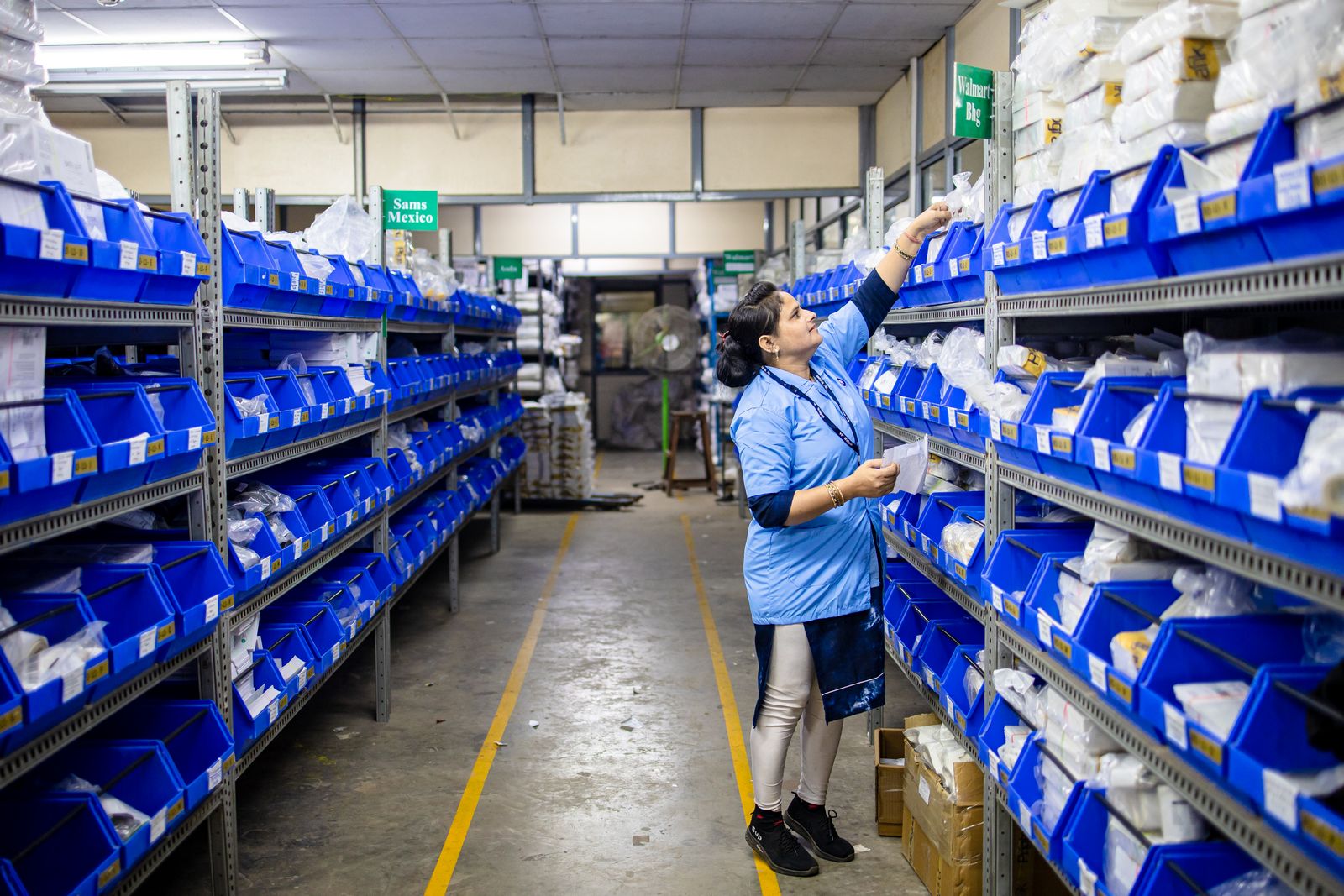
Inventory Control & Batch Tracking: Cutting Waste in FMCG Warehousing
How inventory control and batch tracking reduce waste and protect FMCG products — accurate stock visibility, traceability, expiry management, and recall readiness.