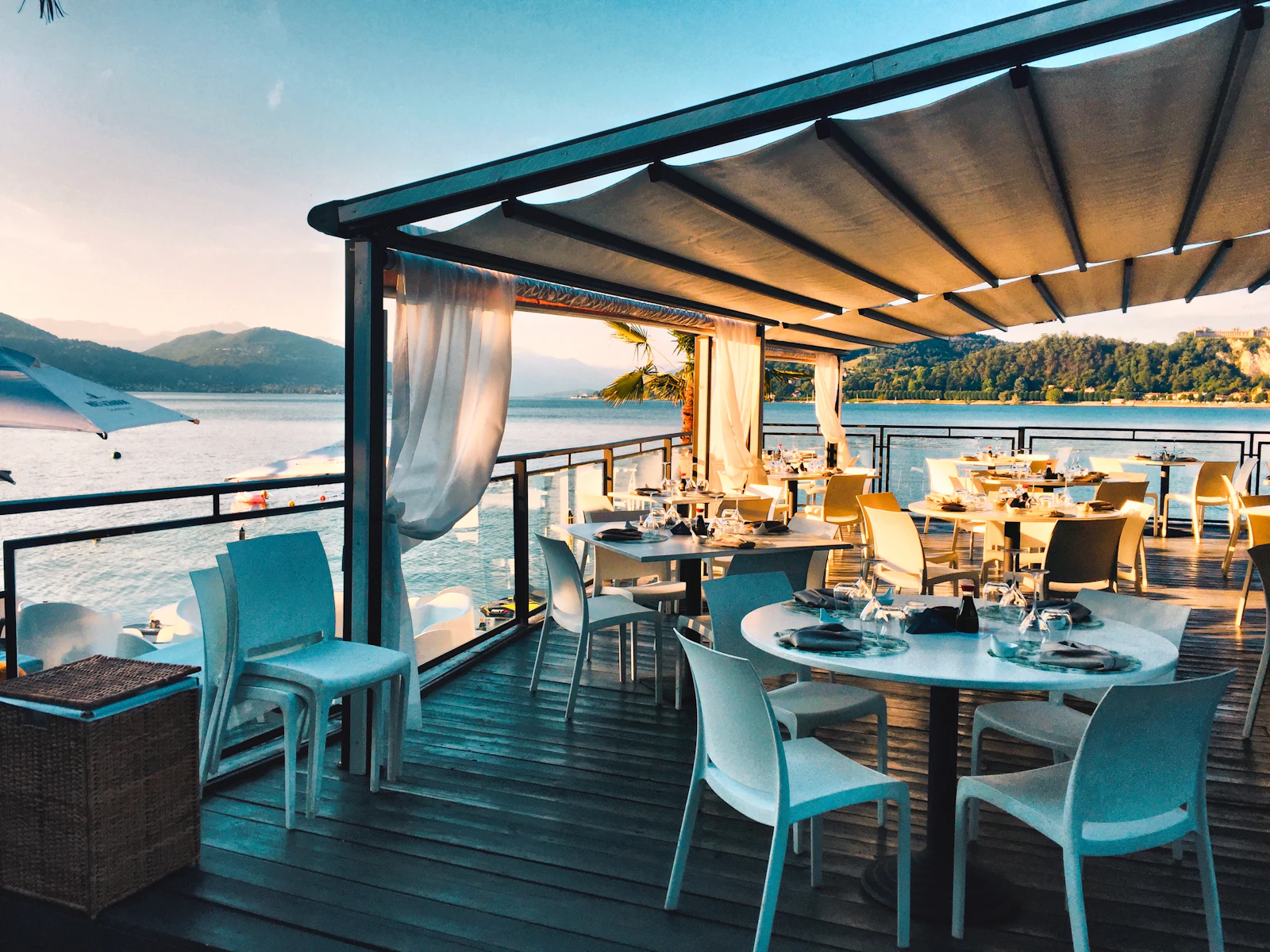
Selling FMCG Through HORECA in Saudi Arabia: Channels & Best Practice
HORECA — Hotels, Restaurants, and Cafés — is a distinct and valuable channel for FMCG brands in Saudi Arabia, and it behaves very differently from retail. With a thriving hospitality and dining scene, especially in major cities, HORECA can be an important route to market — but only if you understand how it works.
This guide explains the HORECA channel, how it differs from retail, and what it takes to serve it well. It fits within the bigger picture of your route to market.
What HORECA means
HORECA covers the businesses that serve food and drink out of home — hotels, restaurants, cafés, caterers, and similar venues. Instead of selling your product to a shopper, you're supplying a business that uses or serves your product to its own customers.
Why HORECA is different from retail
HORECA is not just "another shelf." It differs from modern and traditional trade in several ways:
- The buyer is a business, not a shopper. Chefs, managers, and procurement teams make decisions based on consistency, quality, and reliability.
- Different pack formats. HORECA often needs bulk or catering formats rather than consumer retail packs.
- Reliability is everything. A café that runs out of a key ingredient has a real problem — so dependable supply matters enormously.
- Relationships matter. Trust and service quality drive repeat business.
What HORECA customers need from a distributor
To serve HORECA well, a distributor has to deliver on:
- Consistent availability. Venues depend on getting what they need, when they need it.
- Appropriate formats. Supplying the pack sizes hospitality actually uses.
- Reliable, timely delivery. Often on regular schedules that fit operational rhythms.
- Quality protection. Especially for temperature-sensitive products, which depend on cold-chain handling.
- Responsive service. Solving problems quickly when they arise.
HORECA can be a brand-building channel
HORECA isn't only a sales channel — it's a discovery channel. When a consumer enjoys a product at a café or restaurant, it can shape their perception and drive them to seek it out in retail. That makes HORECA valuable beyond its direct volume: it builds familiarity and trust. Brands that think of HORECA and retail as connected — rather than separate silos — often get more from both, reinforcing visibility across the consumer's day. This is why HORECA belongs in your overall route to market rather than being treated as an afterthought.
Matching delivery to how venues operate
Operationally, HORECA rewards a delivery approach tuned to how venues run. Many order on regular cycles and need dependable, on-time delivery that fits their prep and service rhythms; running out of a key item mid-service is a serious problem for them. For temperature-sensitive products, cold-chain handling must hold right up to delivery. The combination of appropriate pack formats, reliable scheduling, and protected quality is what separates a distributor who can genuinely serve HORECA from one who simply drops boxes.
Best practice for the HORECA channel
- Match formats to the channel. Don't assume retail packs suit hospitality.
- Prioritise reliability. In HORECA, dependable supply beats almost everything else.
- Build relationships. Service and trust drive long-term volume.
- Protect quality in transit and storage. Hospitality buyers notice quality immediately.
- Use the right delivery model. Regular, reliable delivery is central — supported by strong distribution and execution.
Common challenges
- Underestimating the need for different pack formats.
- Inconsistent supply that erodes trust quickly.
- Treating HORECA like retail and missing what makes it distinct.
- Quality slips on temperature-sensitive products.
A distributor that already serves HORECA understands these nuances and has the delivery discipline the channel demands.
Frequently asked questions
What does HORECA stand for? HORECA stands for Hotels, Restaurants, and Cafés — the businesses that serve food and drink out of home, including caterers and similar venues.
How is selling to HORECA different from selling to retail? The buyer is a business rather than a shopper, pack formats are often bulk or catering sizes, reliability of supply is paramount, and relationships carry more weight. It's a distinct channel within your route to market.
What matters most to HORECA buyers? Dependable availability and consistent quality. A venue that can't get a key item, or receives compromised product, has an immediate operational problem — so reliability and protected cold-chain handling win this channel.
Key takeaways
- HORECA — hotels, restaurants, and cafés — is a distinct FMCG channel where the buyer is a business.
- It differs from retail in pack formats, the importance of reliability, and the role of relationships.
- Serving HORECA well means consistent availability, appropriate formats, reliable delivery, and protected quality.
- Reliability and service, more than anything, win in this channel.
Want to reach HORECA across the Kingdom? Explore our distribution and execution service or talk to our team.
Need help with retail channels in Saudi Arabia?
Distribution Link handles it end to end — talk to our team.
Related Articles
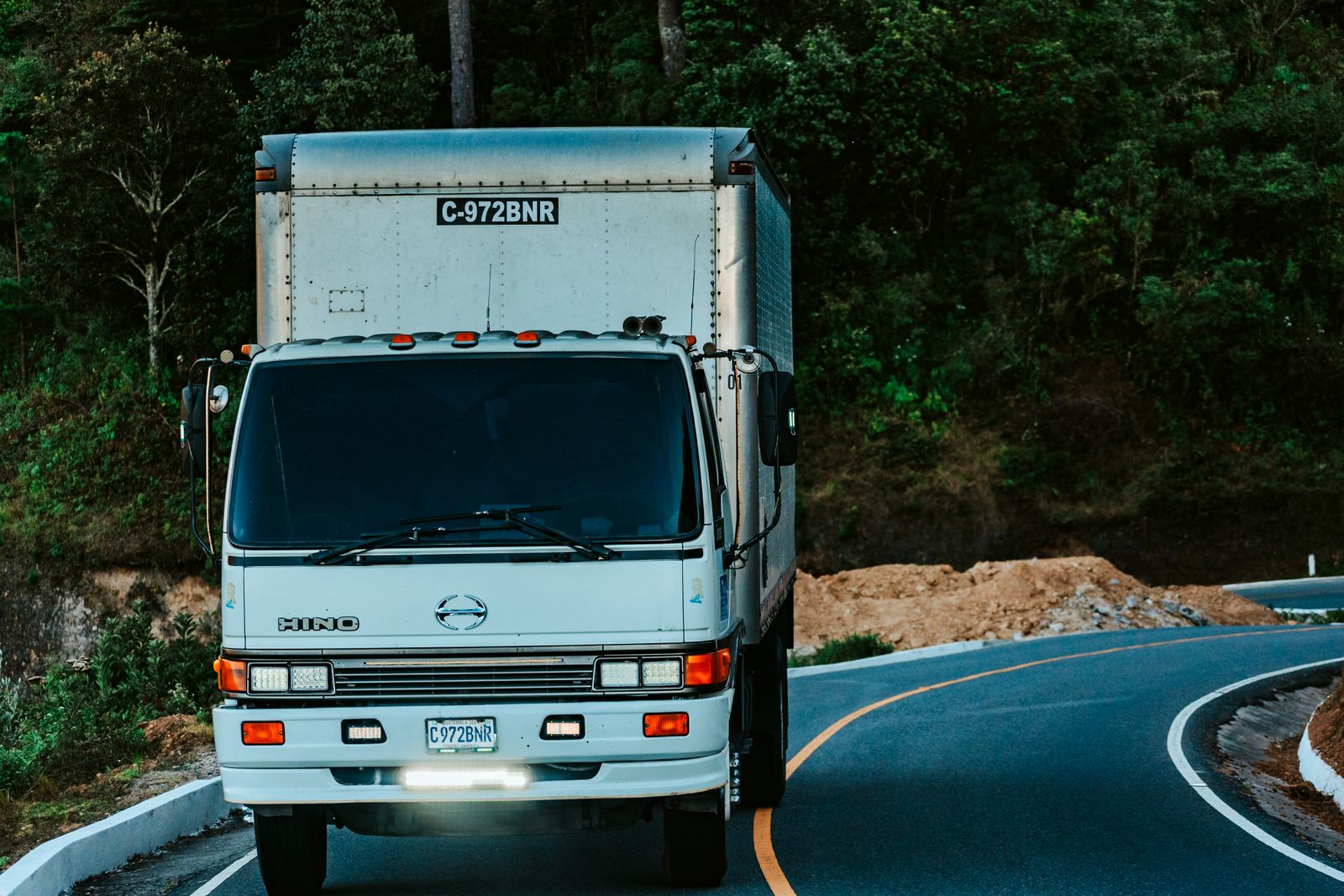
What Is Route-to-Market in FMCG? A Practical Guide
What route-to-market means in FMCG — the channels, delivery models, and execution that get products onto shelves and keep them available, with a Saudi Arabia focus.
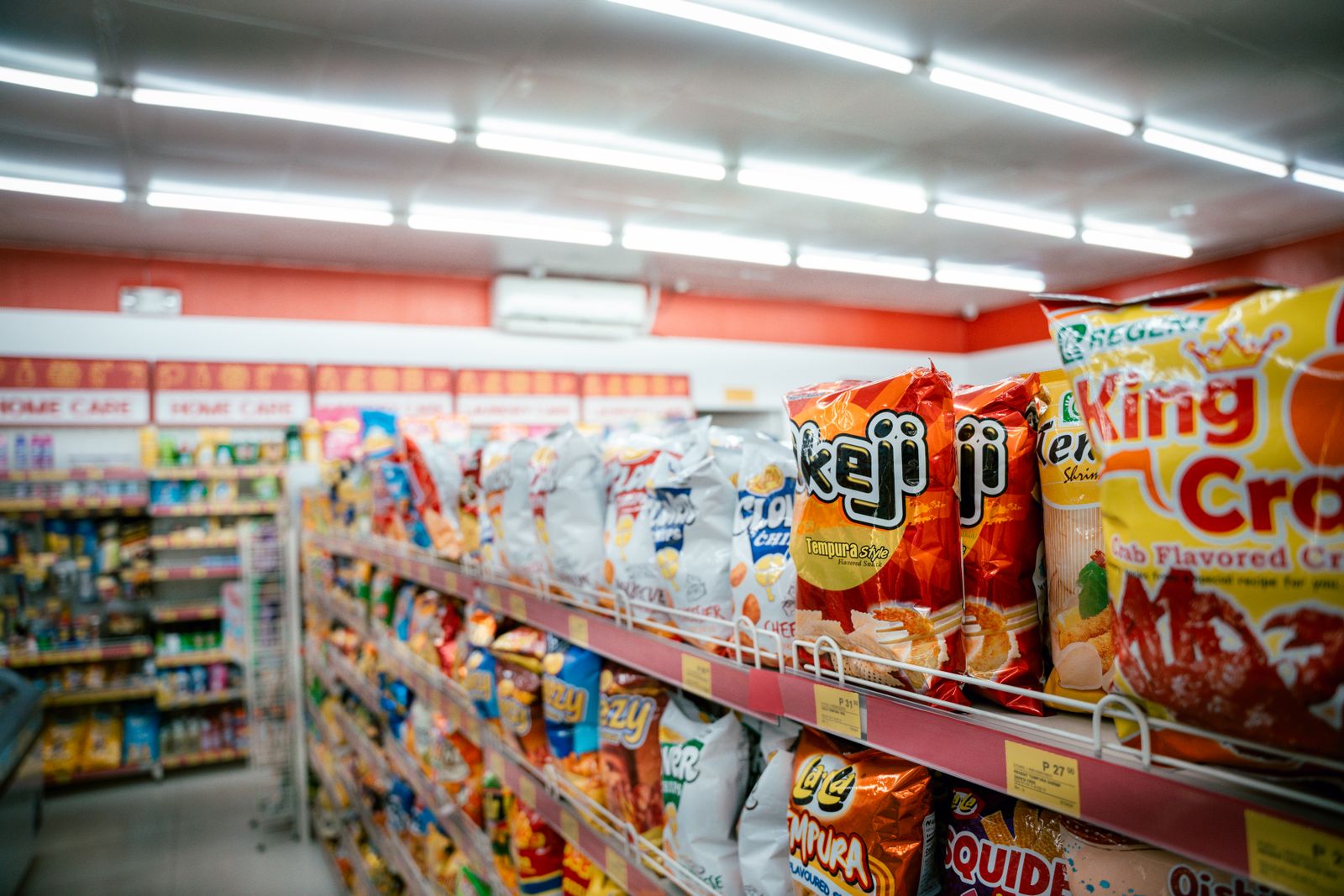
Modern Trade vs Traditional Trade in Saudi Arabia: The Key Differences
The difference between modern trade and traditional trade in Saudi Arabia — how each channel works, and what it means for distributing your FMCG products.
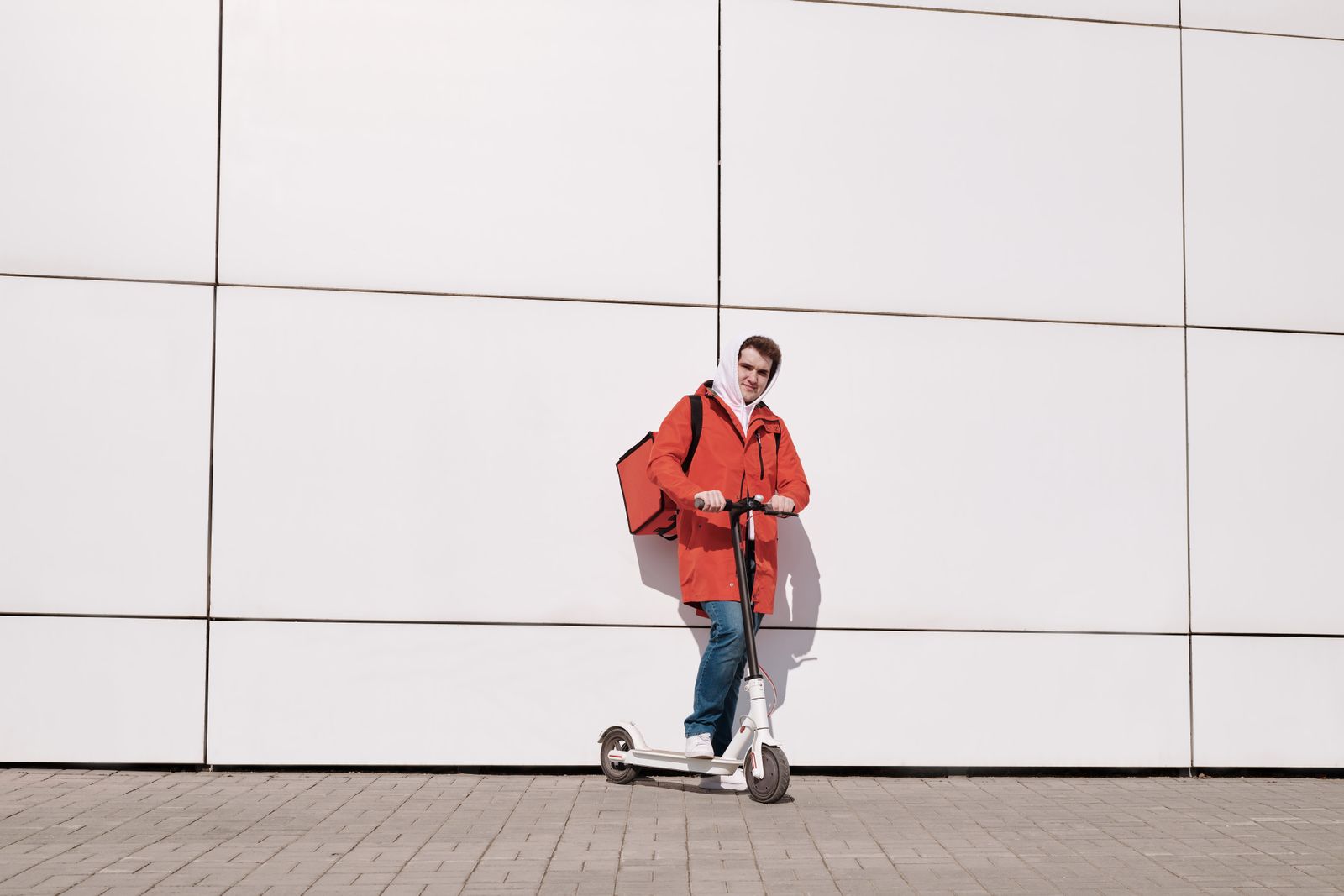
E-commerce & Quick Commerce for FMCG Brands in Saudi Arabia
How FMCG brands win in Saudi e-commerce and quick commerce — the difference between them, what online channels demand, and how distribution makes it work.