
How to Enter the Saudi Arabian FMCG Market: A Complete Guide for Brand Owners
Saudi Arabia is one of the most attractive consumer markets in the Middle East — and for fast-moving consumer goods (FMCG) brands, it is also one of the most rewarding to get right. But entering the Kingdom is rarely as simple as shipping a container and waiting for orders. Between regulatory registration, customs clearance, compliant storage, and the practical work of getting products onto shelves, there is a lot that sits between a great product and a product that actually sells in Saudi Arabia.
This guide walks through the main steps of entering the Saudi FMCG market, the obstacles brands tend to hit, and the decisions that make the difference between a smooth launch and a stalled one.
Why Saudi Arabia is a market worth entering
Saudi Arabia is the largest economy in the Gulf, with a large, young, and increasingly urban population. Under Vision 2030, the country is actively diversifying its economy, investing heavily in retail, tourism, and logistics infrastructure, and encouraging both local manufacturing and international trade.
For FMCG brands, a few characteristics stand out:
- A young consumer base that is open to international snack, food, and beverage brands.
- Rapid growth in modern retail — hypermarkets, supermarkets, and convenience formats — alongside a still-significant traditional trade sector.
- One of the fastest-growing e-commerce and quick-commerce landscapes in the region.
The opportunity is real. The work is in entering compliantly and building a route to market that holds up as you scale.
Understand the regulatory landscape first
The single most common reason FMCG launches stall in Saudi Arabia is underestimating the regulatory and import requirements. Get this right early and everything downstream becomes easier.
SFDA registration
Food, beverage, and many FMCG products fall under the Saudi Food and Drug Authority (SFDA). Products typically need to be registered, and labelling must meet Saudi requirements — including Arabic labelling and specific information that must appear on the pack. Skipping or rushing this step is one of the fastest ways to get a shipment held.
Customs and import requirements
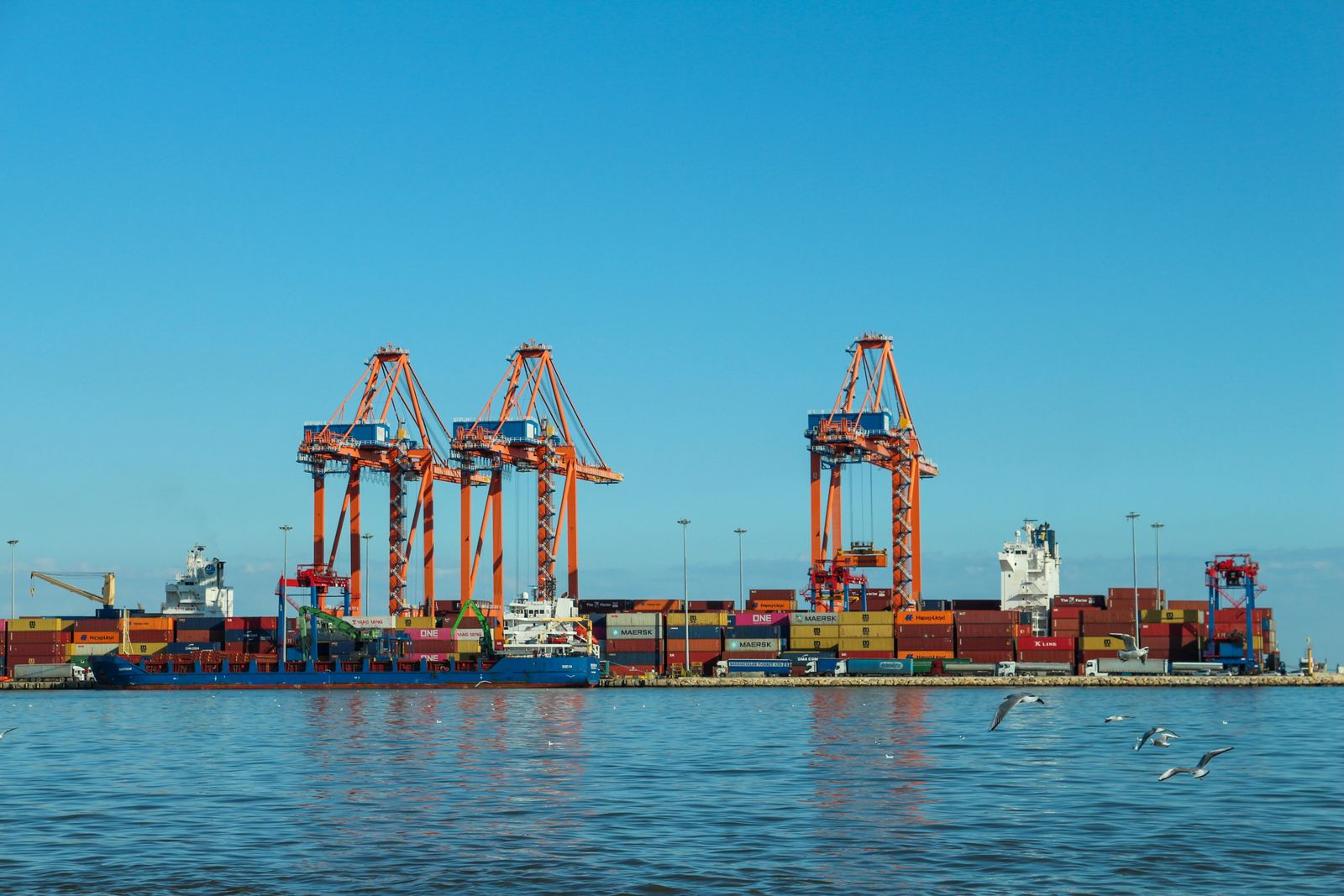
Beyond product registration, your goods have to clear customs. That means correct documentation, the right product classifications, and coordination of any inspections. Errors here lead to delays, demurrage costs, or — in the worst case — rejected shipments. We break the process down in importing FMCG products into Saudi Arabia: customs clearance explained.
If this is your first time entering the Kingdom, this is the area where a partner with on-the-ground experience pays for itself. Distribution Link's customs and regulatory support exists precisely to remove this friction.
Get your storage and supply chain right
FMCG products are time- and temperature-sensitive. Once they clear customs, they need to be stored properly — with the right conditions, disciplined stock rotation, and accurate inventory control — or you risk quality issues, near-expiry stock, and waste before products even reach a shelf.
Before you launch, get clear answers on:
- Where your stock will be stored, and whether the facility suits food and snack products.
- How stock rotation is managed so older stock moves first.
- How inventory is tracked so you always know your true stock position.
This is the quiet backbone of a successful launch. Our FMCG warehousing service is built specifically for food and snack products, and our guide on what good FMCG warehousing looks like explains what to look for.
Choose your route to market
"Route to market" is the path your product takes from the warehouse to the customer — which channels you sell through, how you deliver, and how you keep products available and visible. It is worth understanding properly; our explainer on what route to market means in FMCG is a good starting point.
Retail channels in Saudi Arabia
Saudi Arabia has a diverse retail landscape, and most FMCG brands eventually sell across several channels:
- Modern trade — hypermarkets and supermarkets, with structured listings and merchandising.
- Traditional trade — independent grocers and smaller stores that still account for a meaningful share of FMCG sales.
- HORECA — hotels, restaurants, and cafés.
- E-commerce and quick commerce — online marketplaces and rapid-delivery platforms.
Each channel behaves differently. The differences between modern trade and traditional trade alone can shape how you price, pack, and deliver. Getting products into and across these channels is the focus of our distribution and execution service.
Decide how you'll distribute: in-house or a distribution partner
At some point every brand entering Saudi Arabia faces the same decision: build distribution capability in-house, or work with a distribution partner. Building in-house means hiring teams, securing warehousing, learning the regulations, and managing day-to-day execution yourself. A partner gives you that capability without building it from scratch.
If you are weighing this up, two of our other guides will help: what an FMCG distributor actually does, and the questions to ask when choosing an FMCG distribution partner in Saudi Arabia.
A practical market-entry checklist
Use this as a high-level sequence:
- Confirm your products meet SFDA and labelling requirements (including Arabic labelling).
- Prepare complete, correct import documentation.
- Plan customs clearance and any required inspections in advance.
- Secure FMCG-appropriate warehousing with proper stock rotation.
- Decide which retail channels to target first.
- Choose your distribution model — in-house or a partner.
- Plan merchandising and in-store execution to protect availability and visibility.
Key takeaways
- Saudi Arabia offers strong demand for FMCG and snack brands, but rewards brands that enter compliantly.
- Regulatory readiness — SFDA registration and customs — is the step that most often makes or breaks a launch.
- Storage, stock rotation, and inventory control protect product quality before it reaches the shelf.
- A clear, multi-channel route to market keeps products available and visible.
- A capable distribution partner can compress months of setup into a managed, accountable process.
Entering the Saudi market is very achievable with the right preparation and the right partner. If you would like a single, accountable partner for customs, warehousing, and distribution, explore our end-to-end FMCG distribution services or talk to our team about your launch.
Need help with market entry in Saudi Arabia?
Distribution Link handles it end to end — talk to our team.
Related Articles

What Does an FMCG Distributor Do? Roles, Responsibilities & Real Value
What an FMCG distributor actually does — importing, customs, warehousing, distribution, and sales — and how that differs from a wholesaler or agent.

What Is Route-to-Market in FMCG? A Practical Guide
What route-to-market means in FMCG — the channels, delivery models, and execution that get products onto shelves and keep them available, with a Saudi Arabia focus.
Importing FMCG Products into Saudi Arabia: Customs Clearance Explained
How customs clearance works when importing FMCG products into Saudi Arabia — documentation, the clearance process, conformity, inspections, and avoiding delays.