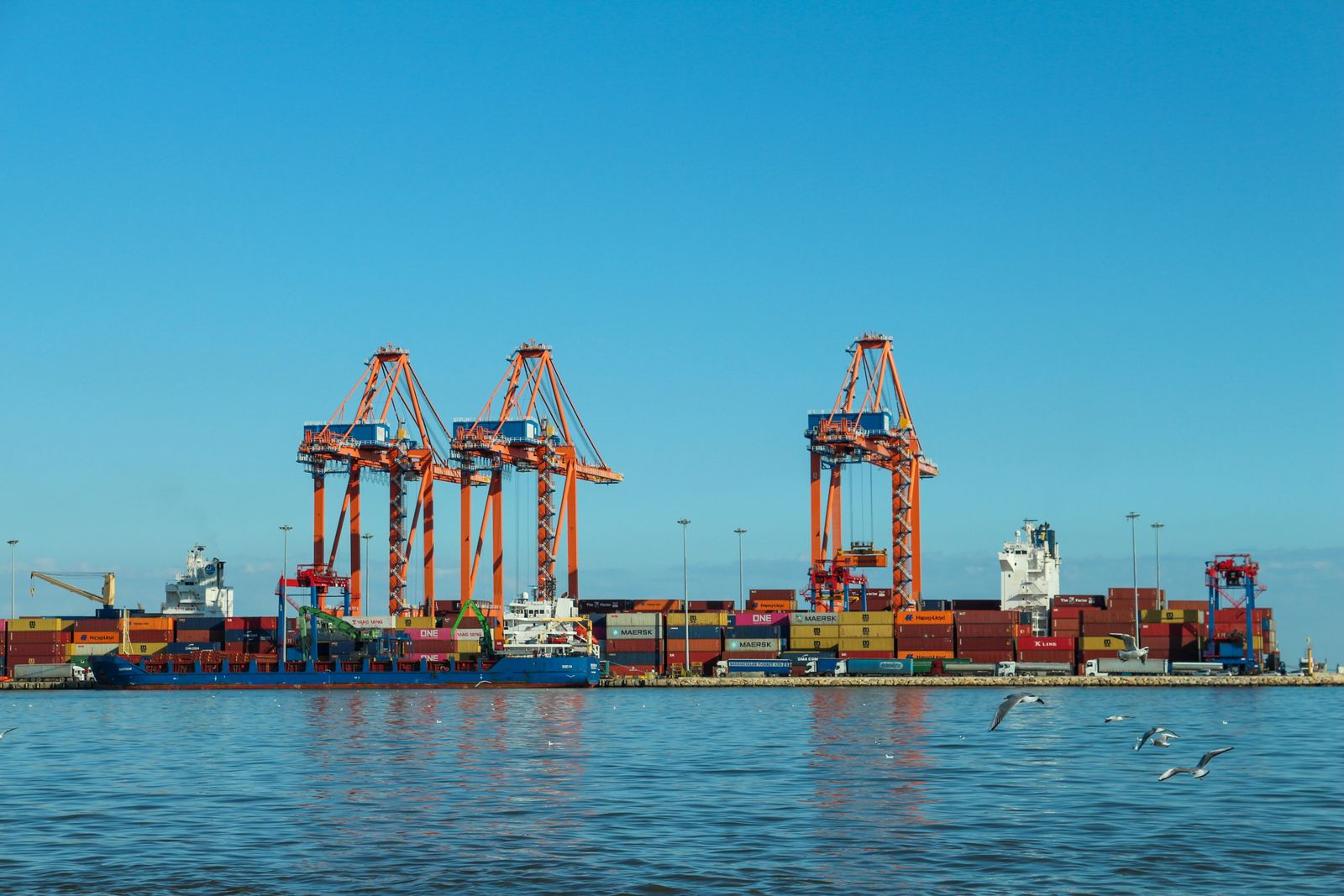
Importing FMCG Products into Saudi Arabia: Customs Clearance Explained
Importing FMCG products into Saudi Arabia means getting your goods through customs cleanly — with the right documentation, the right approvals, and no avoidable surprises at the port. Customs clearance is where many first-time importers lose time and money, so understanding how it works is well worth the effort.
Here is a practical overview of the customs clearance process for FMCG and food products entering the Kingdom.
Who oversees imports
Customs in Saudi Arabia falls under ZATCA (the Zakat, Tax and Customs Authority). For food and many FMCG products, the SFDA also has a say, because those products must meet food-safety and labelling requirements before they can enter the market. Other regulated (non-food) products may require conformity certification through Saudi Arabia's product-safety programmes.
The documentation you'll typically need
Customs clearance runs on paperwork. While exact requirements depend on the product, importers commonly need:
- Commercial invoice — describing the goods and their value.
- Packing list — what is in the shipment and how it is packed.
- Bill of lading / airway bill — the transport document.
- Certificate of origin — where the goods were produced.
- Product approvals — such as SFDA requirements for food, or conformity certificates for regulated goods.
The golden rule: documents must be complete and consistent with each other and with the actual shipment. Most clearance delays trace back to a mismatch or a missing document.
How the clearance process works
At a high level:
- Shipment arrives at a Saudi port or border crossing.
- Import declaration and supporting documents are submitted through the relevant customs systems.
- Duties and any applicable charges are assessed.
- The shipment may be selected for inspection.
- Once requirements are satisfied, the goods are released for delivery to your warehouse.
From there, products move into storage — which is why your warehousing setup needs to be ready before goods land, as we discuss in what good FMCG warehousing looks like.
Inspections and compliance checks
Food and FMCG shipments can be inspected on arrival to confirm they match their documentation and meet requirements — including labelling. This is exactly where preparation pays off: issues caught in advance are cheap to fix, while issues found at the port are expensive and slow.
Common causes of customs delays
- Incomplete, inconsistent, or incorrect documentation.
- Missing or invalid product approvals (e.g. SFDA requirements not met).
- Labelling that does not comply with Saudi requirements.
- Incorrect product classification.
- Leaving coordination to the last minute, with no one accountable on the ground.
We cover these in more depth in common customs delays for food importers.
How to make clearance smoother
- Prepare and cross-check documentation well before shipping.
- Confirm product approvals and labelling are in order first.
- Classify products correctly from the start.
- Have a partner on the ground who can coordinate clearance and inspections.
That last point is the difference-maker for many brands. Distribution Link's customs and regulatory service manages this process end to end.
Duties, taxes, and landed cost
Customs clearance isn't only about paperwork — it's also where duties and applicable taxes are assessed. For planning purposes, what matters is your landed cost: the total cost of getting goods to your warehouse, including product, freight, duties, and clearance. Underestimating landed cost is a common budgeting error for first-time importers, and it ties directly into planning the cost of market entry. Correct product classification matters here too, because it affects how duties are applied — another reason to get classification right from the start.
Plan your import timeline backwards
A useful discipline is to plan your timeline backwards from when you need stock on shelf. Work back through delivery, clearance, transit, and — crucially — the lead time for SFDA registration and compliant labelling, which should be complete before goods ship. Brands that plan forwards ("we'll sort the paperwork while it's in transit") are the ones whose shipments sit at the port. Building in buffer for the unexpected keeps a single hiccup from derailing a launch date you've promised to retailers.
Frequently asked questions
Who oversees customs in Saudi Arabia? Customs falls under ZATCA (the Zakat, Tax and Customs Authority). For food and many FMCG products, the SFDA also has a role, since those products must meet food-safety and labelling requirements to enter the market.
What documents do I need to import FMCG goods? Typically a commercial invoice, packing list, transport document, certificate of origin, and product approvals (such as SFDA requirements for food). See our full import documentation checklist.
How do I stop my shipment being held? Prepare and cross-check documentation, complete SFDA registration and compliant labelling before shipping, classify products correctly, and have someone accountable coordinating clearance and inspections.
Key takeaways
- Customs clearance in Saudi Arabia depends on complete, consistent documentation and valid product approvals.
- Food and FMCG goods must also satisfy SFDA requirements, including labelling.
- Most delays are avoidable and stem from paperwork, approvals, or classification errors.
- Preparing in advance — ideally with an experienced partner — keeps shipments moving.
Importing into the Kingdom? Talk to our customs and regulatory team about clearing your products without the friction.
Need help with customs & sfda in Saudi Arabia?
Distribution Link handles it end to end — talk to our team.
Related Articles

How to Enter the Saudi Arabian FMCG Market: A Complete Guide for Brand Owners
A step-by-step guide to entering the Saudi FMCG market — SFDA registration, customs clearance, warehousing, route-to-market, and choosing a distribution partner.
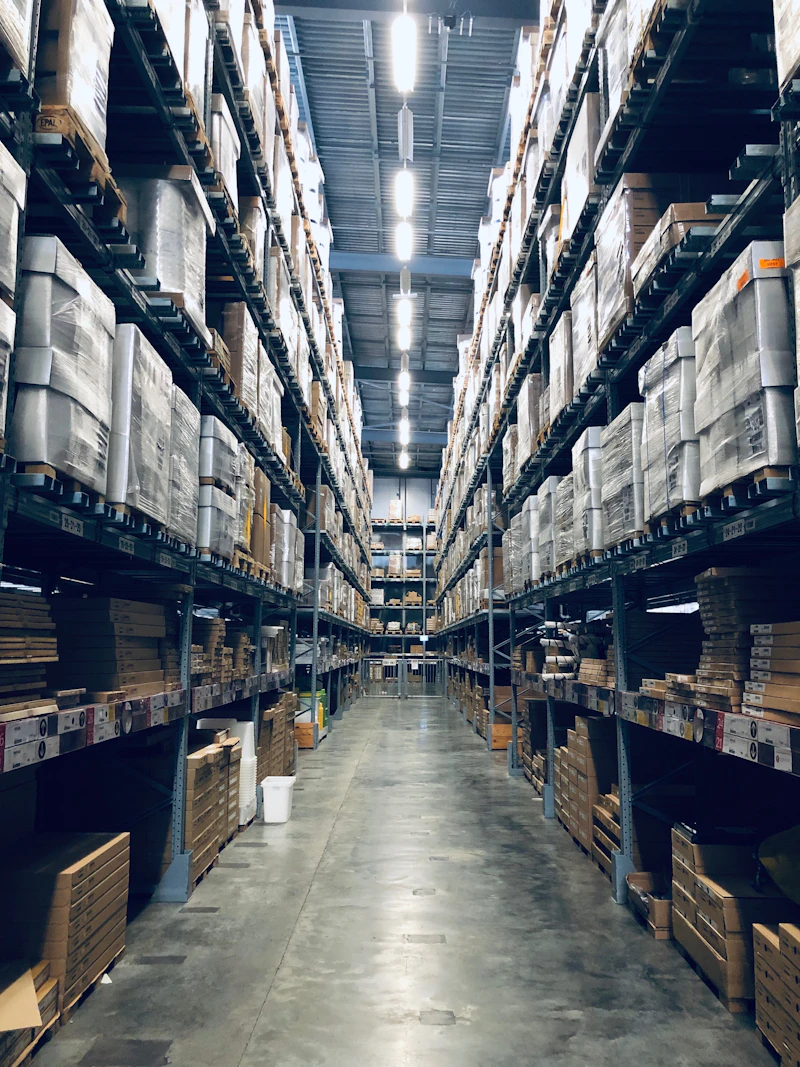
FMCG Warehousing in Saudi Arabia: What "Good" Actually Looks Like
What good FMCG warehousing looks like in Saudi Arabia — temperature control, inventory visibility, batch tracking, stock rotation, and scalability for food brands.
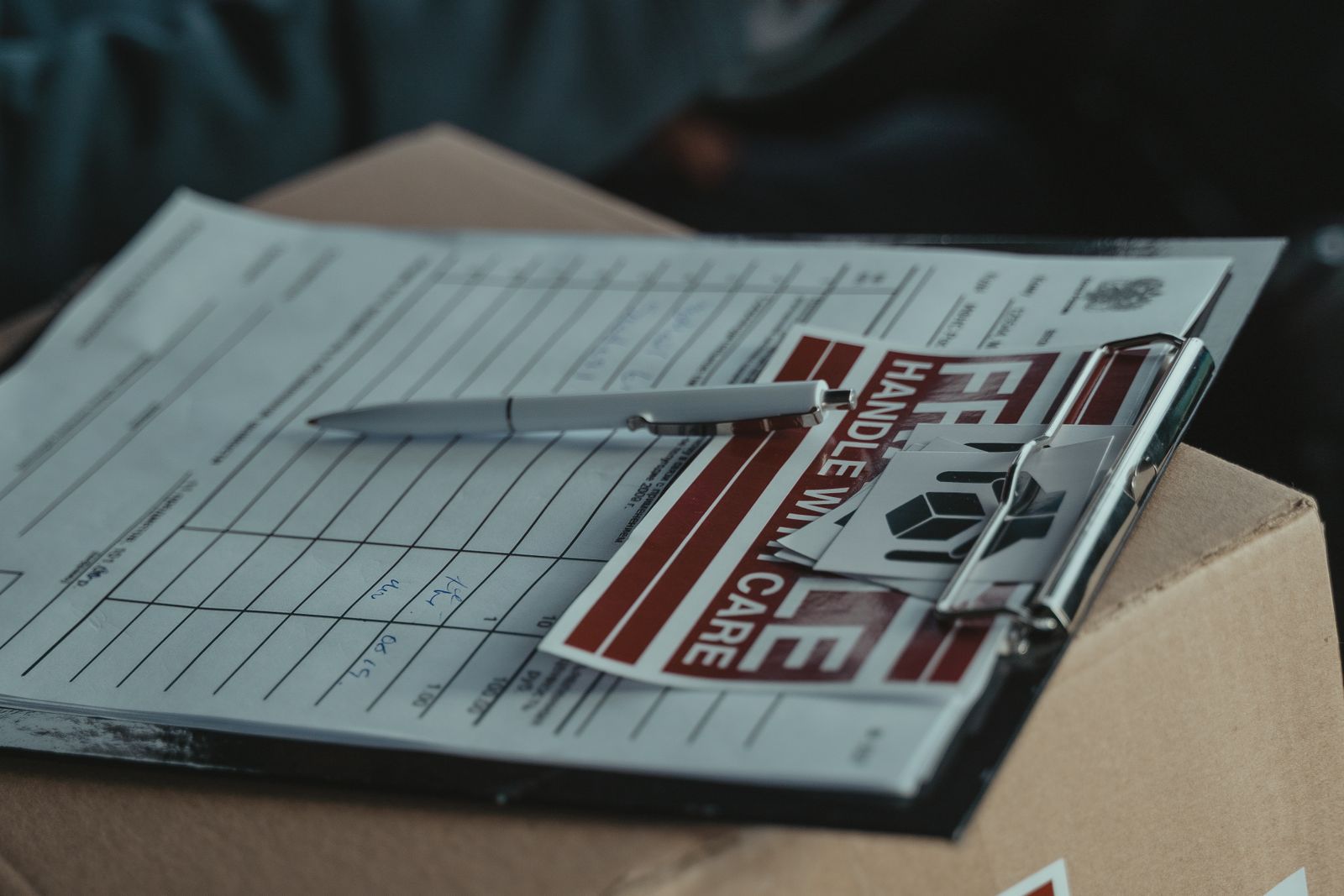
The Import Documentation Checklist for FMCG Goods Entering the Kingdom
A practical import documentation checklist for FMCG goods entering Saudi Arabia — invoices, packing lists, certificates, approvals — and how to avoid clearance errors.