
Common Customs Delays for Food Importers in Saudi Arabia — and How to Avoid Them
Few things hurt a product launch like a shipment stuck at the port. For food importers in Saudi Arabia, customs delays mean added cost, missed sales windows, and strained relationships with retailers who were promised stock on a date. The good news: the most common delays are predictable — and largely avoidable.
This guide walks through the usual causes of customs delays for food and FMCG importers, and exactly how to prevent each. It complements our overview of customs clearance in Saudi Arabia.
Why delays are so costly
A held shipment doesn't just sit quietly. It can accrue storage and demurrage charges, tie up working capital, and — for food products — eat into shelf life before the goods even reach a warehouse. A delay measured in days can cost far more than the fix would have. That's why prevention always beats reaction.
The most common causes of customs delays
1. Incomplete or inconsistent documentation
The single biggest cause. A missing certificate of origin, a commercial invoice that doesn't match the packing list, or inconsistent product descriptions can all stall clearance. Fix: prepare a complete, cross-checked document set before shipping — use our import documentation checklist.
2. Missing or invalid product approvals
Food products must satisfy SFDA requirements. If registration isn't in place or is incomplete, the shipment waits. Fix: complete SFDA registration well ahead of shipping.
3. Non-compliant labelling
Labels that lack required Arabic information, allergen declarations, or correct dates are a frequent rejection reason. Fix: get labelling right at the packaging stage — see SFDA labelling requirements.
4. Incorrect product classification
The wrong classification can mean the wrong duties, the wrong requirements, and a query that holds the shipment. Fix: classify products correctly from the outset, ideally with someone who knows Saudi requirements.
5. Inspection findings
Food shipments may be inspected on arrival. If the goods don't match the paperwork — or labelling fails on inspection — they're held. Fix: make sure the physical shipment matches its documentation exactly.
6. Last-minute, uncoordinated handling
When no one is clearly accountable on the ground, small issues escalate into long delays. Fix: have an experienced partner coordinating clearance, approvals, and inspections in advance.
A simple prevention framework
Think of delay-prevention as three layers:
- Before shipping — registration complete, labelling compliant, documents prepared and cross-checked, products correctly classified.
- In transit — the right partner ready to manage declaration and clearance.
- On arrival — coordination of any inspection, with documentation matching the goods.
Get the first layer right and the rest usually follows.
How a partner reduces delays
A capable customs partner does the unglamorous work that prevents delays: preparing and checking documents, confirming approvals, ensuring labelling compliance, classifying correctly, and coordinating inspections so problems are caught early — not at the port. That's precisely the purpose of Distribution Link's customs and regulatory service.
A quick self-audit before you ship
Before any shipment leaves origin, run through this short audit — it catches the majority of avoidable delays:
- Is SFDA registration complete and current for every product in the shipment?
- Is the labelling fully compliant, including Arabic and allergen information?
- Do the commercial invoice, packing list, and certificate of origin all match each other — and the physical goods?
- Is every product classified correctly?
- Have you accounted for any required conformity certificates on non-food items?
- Is someone clearly accountable for managing clearance and any inspection?
If you can't tick every box with confidence, fix the gap before shipping — not after the container has landed.
The compounding cost of "small" delays
It's tempting to treat a few days' delay as a minor inconvenience. But the costs compound: storage and demurrage charges accrue daily, shelf life ticks down, a promised delivery slot with a retailer is missed, and your team's attention is pulled into firefighting instead of growth. One delayed shipment can also strain a new retailer relationship before it's even established. Viewed that way, the modest effort of preparing properly — or having a partner do it — is one of the highest-return investments in the whole import process. Many of these issues overlap with the import documentation checklist, which is worth treating as a standard pre-shipment routine.
Frequently asked questions
What's the single most common cause of customs delays? Documentation problems — usually inconsistency between documents, or between the documents and the physical goods — top the list, closely followed by missing product approvals and non-compliant labelling.
How far ahead should I prepare to avoid delays? Well before shipping. SFDA registration and compliant labelling should be complete before goods leave origin, and documentation should be prepared and cross-checked in advance.
Can customs delays be eliminated entirely? Not completely — inspections and checks are part of the process. But the avoidable delays, which are the majority, can be designed out with preparation and an accountable partner coordinating clearance.
Key takeaways
- Most customs delays trace back to documentation, approvals, labelling, or classification — all avoidable.
- Delays carry real costs: storage charges, lost sales windows, and reduced shelf life.
- Prevention happens mostly before shipping: register, label, document, and classify correctly.
- An accountable partner coordinating the process is the most reliable way to keep shipments moving.
Tired of shipments getting held up? Talk to our customs and regulatory team about clearing your products cleanly.
Need help with customs & sfda in Saudi Arabia?
Distribution Link handles it end to end — talk to our team.
Related Articles
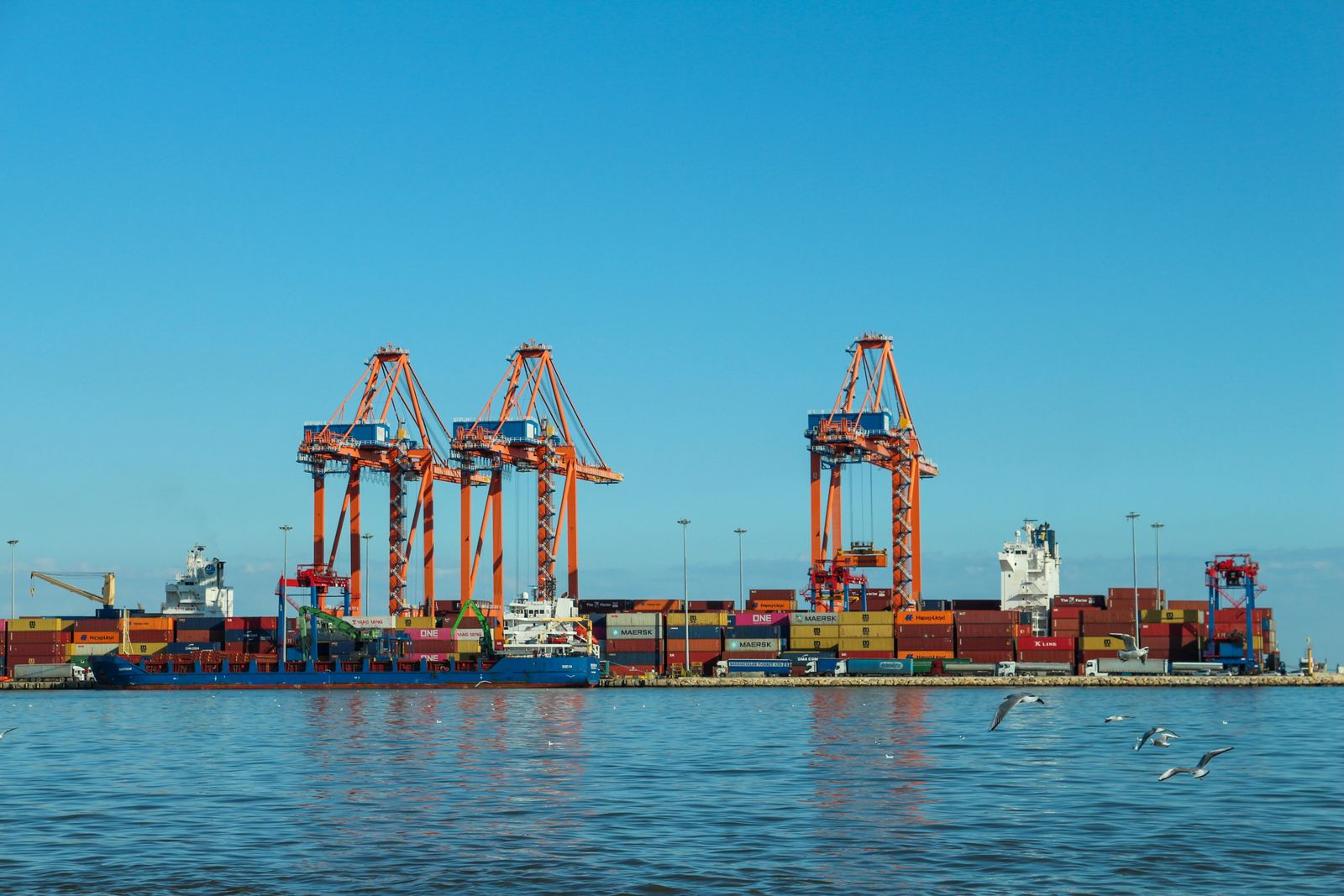
Importing FMCG Products into Saudi Arabia: Customs Clearance Explained
How customs clearance works when importing FMCG products into Saudi Arabia — documentation, the clearance process, conformity, inspections, and avoiding delays.
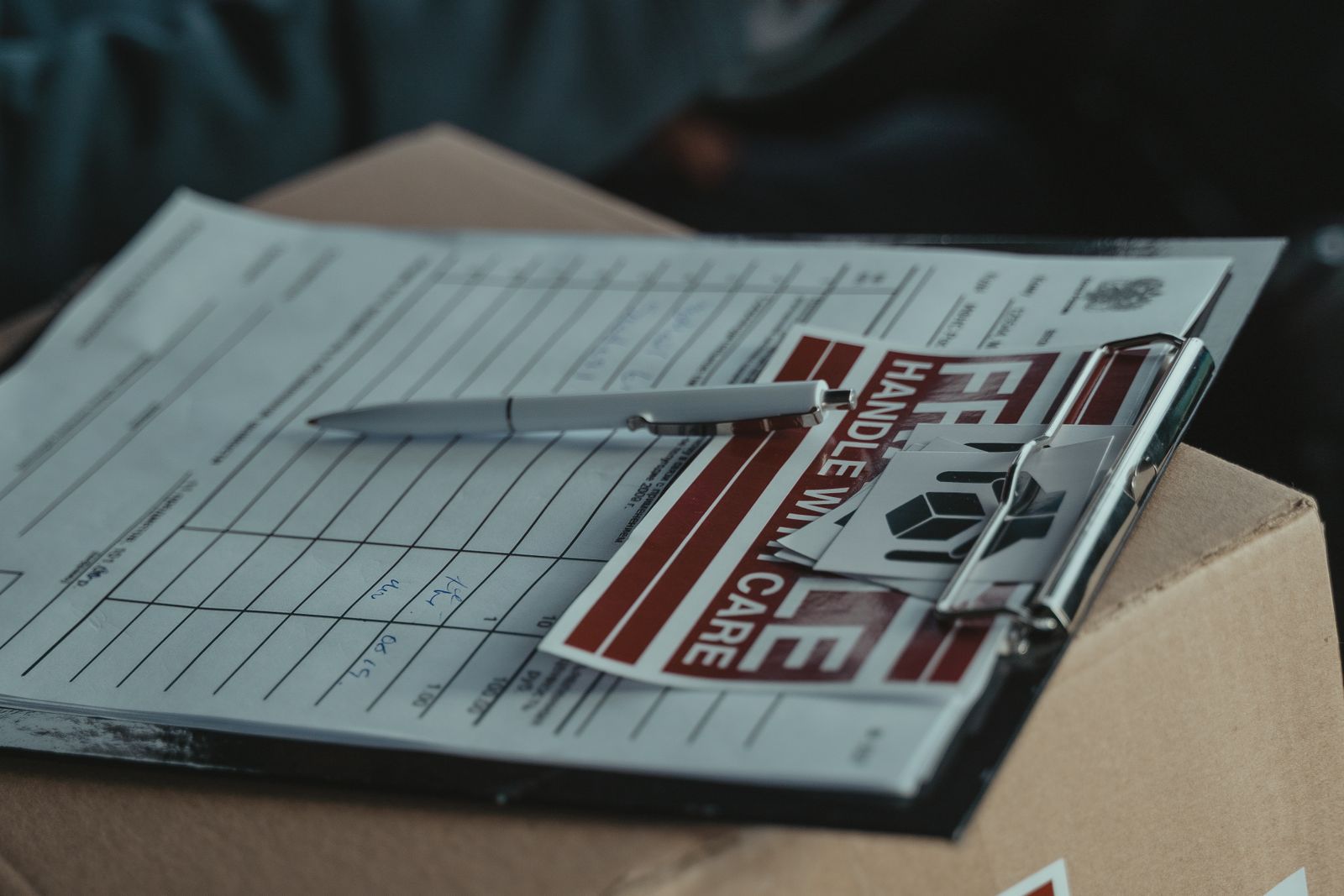
The Import Documentation Checklist for FMCG Goods Entering the Kingdom
A practical import documentation checklist for FMCG goods entering Saudi Arabia — invoices, packing lists, certificates, approvals — and how to avoid clearance errors.

SFDA Labelling Requirements for Imported Food & Snacks
A practical overview of SFDA labelling requirements for imported food and snacks in Saudi Arabia — Arabic labelling, mandatory information, and common mistakes.