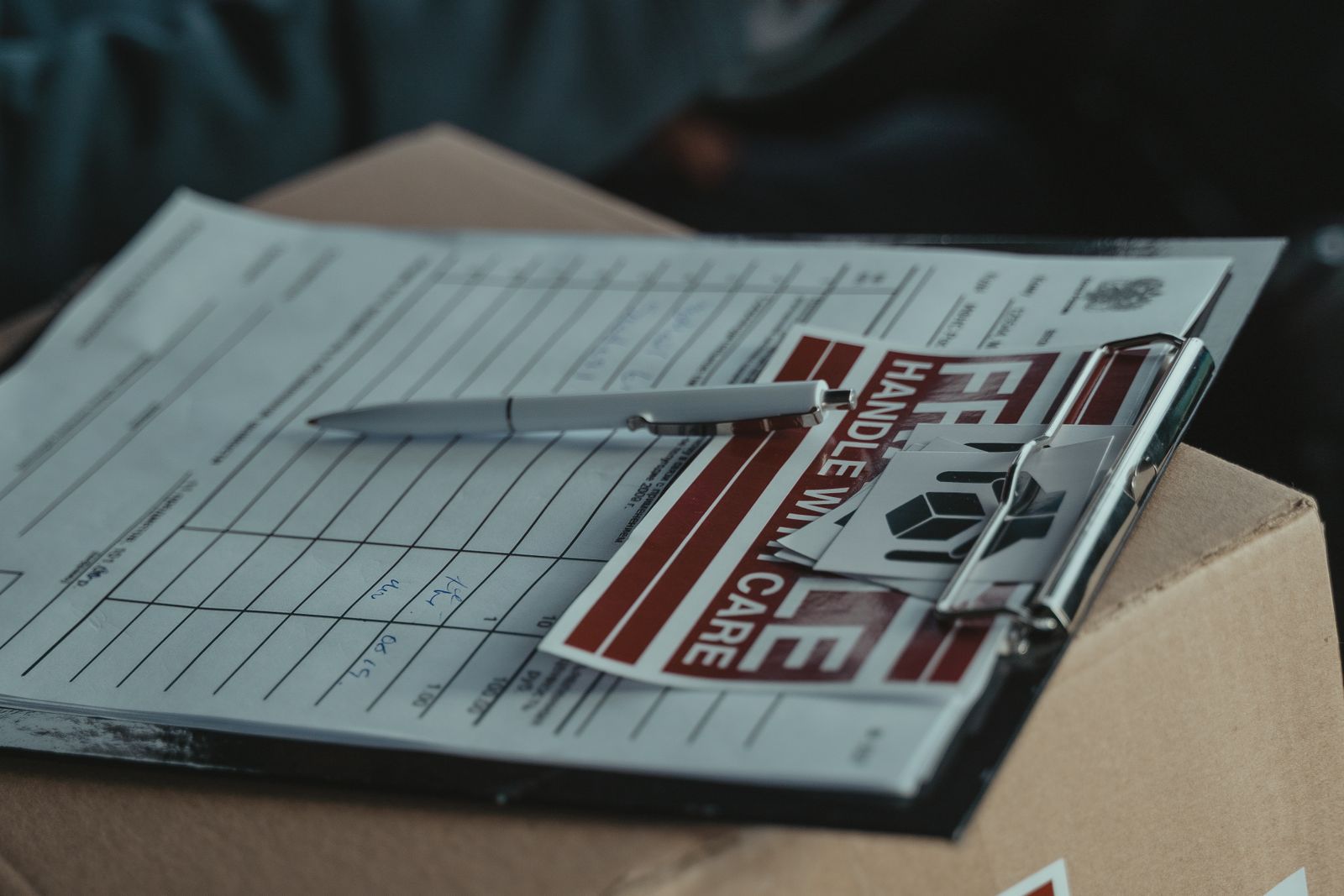
The Import Documentation Checklist for FMCG Goods Entering the Kingdom
Customs clearance runs on paperwork. For FMCG goods entering Saudi Arabia, the difference between a smooth clearance and a held shipment is usually the quality and completeness of the documentation. This checklist covers the documents importers typically need and how to keep them error-free.
Use it alongside our broader explainer on customs clearance in Saudi Arabia.
Exact requirements depend on your products and shipment. Treat this as a planning checklist and confirm specifics for your case.
The core documents
Commercial invoice
The foundational document describing the goods, quantities, and values. It must be accurate and consistent with everything else — discrepancies here are a classic cause of customs delays.
Packing list
Details what is in the shipment and how it is packed — cartons, weights, and contents. It should reconcile exactly with the commercial invoice.
Bill of lading / airway bill
The transport document issued by the carrier, evidencing the shipment and its terms.
Certificate of origin
States where the goods were produced. Origin can affect duties and requirements, so accuracy matters.
Product approvals (SFDA)
For food and many FMCG products, evidence that SFDA requirements are met. Registration should be complete before shipping.
Conformity certificates (where applicable)
Certain regulated, non-food products require conformity certification under Saudi Arabia's product-safety programmes. Confirm whether your products fall in scope.
Insurance and other documents
Depending on terms and product type, you may also need insurance documents and additional certificates.
A pre-shipment checklist
Before goods leave origin, confirm:
- Commercial invoice complete and accurate
- Packing list reconciles with the invoice
- Bill of lading / airway bill in order
- Certificate of origin prepared
- SFDA requirements met for food products
- Conformity certificates obtained where required
- Product classification confirmed
- Labelling compliant (see SFDA labelling requirements)
- All documents consistent with each other and the physical goods
The golden rule: consistency
The most common documentation problem isn't a single missing paper — it's inconsistency. The product description on the invoice should match the packing list, the certificate of origin, and the actual goods. Mismatches trigger queries, and queries trigger delays.
Why consistency beats completeness
It's natural to focus on having all the documents. But in practice, the issue that holds shipments isn't usually a missing paper — it's two papers that disagree. A product described slightly differently on the invoice versus the packing list, a quantity that doesn't reconcile, a value mismatch: any of these can trigger a query, and a query means a hold. Treat your document set as one connected story about the shipment. Every document should tell the same story, and that story should match the physical goods exactly.
Who prepares these documents?
Responsibility is usually split. Your supplier or manufacturer typically provides commercial invoices, packing lists, and certificates of origin; carriers issue transport documents; and you (or your importer/distributor) ensure product approvals such as SFDA registration are in place. The risk lives in the gaps between these parties — which is exactly where errors and inconsistencies creep in. Having one party coordinate and cross-check the whole set, rather than assuming each contributor got it right, is what prevents the delays that incomplete or inconsistent documentation causes.
How a partner helps
Preparing and cross-checking documentation is exactly the kind of detailed, experience-driven work that prevents problems. Distribution Link's customs and regulatory service handles documentation preparation and checking so your shipments clear cleanly.
Frequently asked questions
What's the most important principle for import documentation? Consistency. The product descriptions, quantities, and values must agree across every document — and match the physical shipment. Mismatches, not missing papers, cause most clearance queries.
Who is responsible for preparing these documents? Responsibility is usually split: suppliers provide invoices, packing lists, and certificates of origin; carriers issue transport documents; and you or your importer/distributor ensure approvals like SFDA registration are in place. Coordinating the whole set is what prevents gaps.
Do all products need conformity certificates? No. Food products are governed by SFDA requirements, while certain regulated non-food products require conformity certification. Confirm which rules apply to your specific products before shipping.
Key takeaways
- Core import documents include the commercial invoice, packing list, transport document, certificate of origin, and product approvals.
- Food products need SFDA requirements met; some non-food products need conformity certification.
- Consistency between documents and the physical goods is the single most important factor.
- A capable partner prepares and checks documentation to keep clearance smooth.
Want your paperwork handled properly? Talk to our customs and regulatory team.
Need help with customs & sfda in Saudi Arabia?
Distribution Link handles it end to end — talk to our team.
Related Articles
Importing FMCG Products into Saudi Arabia: Customs Clearance Explained
How customs clearance works when importing FMCG products into Saudi Arabia — documentation, the clearance process, conformity, inspections, and avoiding delays.

Common Customs Delays for Food Importers in Saudi Arabia — and How to Avoid Them
The most common causes of customs delays for food importers in Saudi Arabia — documentation, approvals, labelling, classification — and how to avoid each one.

SFDA Labelling Requirements for Imported Food & Snacks
A practical overview of SFDA labelling requirements for imported food and snacks in Saudi Arabia — Arabic labelling, mandatory information, and common mistakes.